
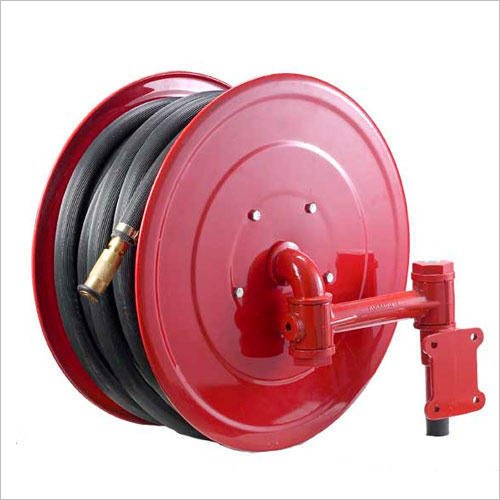
Fire safety is an essential part of protecting homes, offices, factories, hospitals, schools, warehouses, shopping centres, and other buildings. Fires can start unexpectedly because of electrical faults, cooking activities, overheated machinery, combustible materials, or human error. Having suitable firefighting equipment can help people respond quickly when a fire is discovered.
A fire hose reel is one type of fixed firefighting equipment commonly considered for commercial and industrial buildings. It stores a hose on a rotating drum and connects it to a water supply, allowing water to be directed toward a fire. When properly installed and maintained, it can provide a continuous source of water for dealing with certain small fires.
However, fire hose reels are not suitable for every fire or every building. Their usefulness depends on the fire type, water supply, equipment condition, building layout, and the training of the people expected to use them.
This article explains the main advantages and disadvantages of fire hose reels, their applications, safety limitations, maintenance needs, and their relationship with a Fire alarm system in Pakistan.
What Is a Fire Hose Reel?
A fire hose reel is a fixed firefighting device designed to store and supply water through a flexible hose. The hose is wound around a rotating drum, making it easier to store and deploy when required.
A typical fire hose reel system may include:
- A rotating reel drum
- A flexible firefighting hose
- A water inlet pipe
- A manual or automatic control valve
- A shut-off nozzle
- A wall-mounted bracket or cabinet
- Identification signage
The exact components depend on the equipment design and the building’s approved fire protection arrangements.
Fire hose reels are often installed in accessible locations, such as corridors or designated fire equipment points. Their purpose is to make water available for an early response to suitable fires, rather than to replace professional firefighting services.
How Does a Fire Hose Reel Work?
A fire hose reel is connected to a water supply designed to provide suitable pressure and flow. During an emergency, an appropriately trained person can release the hose, operate the valve according to the manufacturer’s instructions, and direct the nozzle toward the fire if conditions are safe.
The general operating sequence is:
- Raise the alarm and assess the situation.
- Evacuate people who may be at risk.
- Only if the fire is small, the exit remains clear, and the user is trained, consider using appropriate firefighting equipment.
- Deploy the hose and operate its valve and nozzle according to instructions.
- Stop immediately if the fire grows, smoke becomes heavy, or escape is threatened.
A hose reel should never be used as a reason to delay evacuation or contacting emergency responders.
Pros of Fire Hose Reels
Fire hose reels offer several benefits when they are correctly selected, installed, and maintained.
1. Continuous Water Supply
One of the main advantages of a fire hose reel is its ability to provide a continuous water supply while the system is operating.
Unlike a portable extinguisher, which contains a limited quantity of extinguishing agent, a hose reel connected to a functioning water supply can continue discharging water for a longer period.
This can be useful when dealing with certain small fires involving ordinary combustible materials, such as paper, wood, and textiles.
However, continuous water supply depends on adequate pressure, functioning pumps where required, open valves, and a reliable water source.
2. Useful for Certain Class A Fires
Fire hose reels are primarily associated with fires involving ordinary solid combustible materials, commonly described as Class A fires.
Examples include fires involving:
- Paper and cardboard
- Wood
- Some textiles
- Certain packaging materials
- Other ordinary solid combustibles
Water can help cool burning materials and reduce the chance of continued combustion.
The suitability of water must always be assessed carefully. A fire involving electricity, flammable liquids, reactive materials, or other special hazards may require a different extinguishing method.
3. Convenient Storage
The reel design keeps the hose wound around a drum when it is not in use. This helps keep the equipment organised and reduces the need to store a loose hose on the floor.
A properly arranged hose reel can make firefighting equipment easier to identify and access.
Cabinets can also help protect equipment from accidental damage, dust, and environmental exposure, depending on their design and location.
4. Can Cover a Relatively Large Area
A hose reel may allow a trained user to direct water across a wider area than a small portable extinguisher can conveniently reach.
The actual coverage depends on hose length, building layout, water pressure, nozzle performance, and the location of the reel.
For this reason, the installation must be planned according to the building’s approved fire protection design rather than simply placing reels wherever wall space is available.
Some fire safety guidance describes hose reel placement in relation to floor area, exits, and accessibility. Requirements vary by jurisdiction and building type, so local approval and applicable standards should be checked.
5. Suitable for Some Commercial and Industrial Environments
Fire hose reels may form part of the fire protection arrangements in buildings such as:
- Offices
- Schools and universities
- Hotels
- Warehouses
- Retail buildings
- Factories
- Some healthcare facilities
- Other commercial premises
The appropriate equipment depends on the hazards present. For example, a textile warehouse may contain significant quantities of combustible materials, while a workshop may also have electrical equipment, oils, solvents, or machinery that affect the firefighting strategy.
A professional fire risk assessment can help determine whether hose reels are suitable and where they should be located.
6. Supports an Early Fire Response
A fire hose reel can provide an option for responding to a small fire before it spreads, provided the fire is suitable for water and the response does not expose people to danger.
Early response can be important because a fire may grow rapidly and produce smoke that makes escape difficult.
Nevertheless, hose reels are not automatic fire suppression systems. Someone must discover the fire, raise the alarm, decide whether intervention is safe, and operate the equipment.
7. Can Complement Other Fire Safety Equipment
Fire hose reels can be part of a broader fire protection plan that includes:
- Fire extinguishers
- Fire alarm systems
- Smoke detection
- Emergency lighting
- Clearly marked escape routes
- Fire doors
- Sprinkler systems, where appropriate
- Evacuation procedures and training
Each system has a different purpose. A hose reel provides firefighting water; an alarm system warns occupants; emergency exits support escape.
No single item should be treated as a complete fire safety solution.
Cons of Fire Hose Reels
Despite their benefits, fire hose reels have important limitations that must be considered before installation or use.
1. Not Suitable for Every Type of Fire
The most important limitation is that water is not a universal extinguishing agent.
Using a hose reel on an unsuitable fire can increase danger.
Examples include:
Electrical fires: Water can conduct electricity, creating a risk of electric shock. Do not direct water onto energised electrical equipment unless the system and procedure are specifically designed and approved for that use.
Flammable liquid fires: Water may spread some burning liquids, making the fire larger.
Cooking oil fires: Water can cause burning oil to splatter violently and spread flames.
Reactive materials: Certain substances react dangerously with water.
The correct extinguisher or suppression method depends on the material involved and the circumstances. If the fire type is uncertain, evacuate and wait for trained responders.
2. Dependence on Water Supply
A hose reel is only useful when its water supply is available and capable of providing the required performance.
Potential problems include:
- Water supply interruptions
- Closed or faulty valves
- Pump failure
- Leaking pipes
- Insufficient pressure
- Blocked or damaged nozzles
- Poorly designed pipework
Buildings in Pakistan should consider the reliability of their water supply, storage arrangements, pumps, and maintenance resources when planning a hose reel system.
A system that looks complete but cannot deliver adequate water during an emergency may provide a false sense of security.
3. Requires Proper Training
Although hose reels may appear straightforward, using them safely requires understanding their limitations.
Users need to know how to identify a suitable fire, raise the alarm, operate the equipment, maintain a safe distance, and recognise when to withdraw.
Training should also explain that firefighting is not the priority when escape routes are threatened or smoke is spreading.
Untrained people may attempt to fight fires that are too large, use water on an unsuitable fire, or delay evacuation.
4. Can Be Difficult to Handle
A hose filled with water can be heavy and difficult to manoeuvre. Pulling it around corners, through doorways, or across cluttered areas may require considerable effort.
Some users may struggle to control the hose or nozzle, particularly in stressful conditions.
The layout of the building, the user’s physical ability, and the location of the reel all affect practical usability.
5. Installation Can Be Expensive
The total cost of a hose reel system is not limited to purchasing the reel itself.
Depending on the building, installation may require:
- Water supply pipework
- Pumps and storage arrangements
- Valves and fittings
- Cabinets and signage
- Structural mounting
- Hydraulic design and testing
- Professional installation
- Ongoing inspections and repairs
Costs vary according to building size, system design, equipment specifications, and local requirements. A site assessment is needed to establish the actual cost.
6. Requires Regular Inspection and Maintenance
Fire hose reels can deteriorate over time. A hose may crack, a valve may seize, a nozzle may become blocked, or pipework may corrode or leak.
Maintenance should include checking the hose, reel mechanism, valves, nozzle, connections, mounting, cabinet, signage, and water supply.
The system should be tested according to applicable requirements, manufacturer instructions, and the approved maintenance programme. Some fire safety guidance calls for periodic operational testing and records of maintenance.
Neglected equipment may fail when it is needed.
7. Takes Up Space
A hose reel needs a suitable installation location that allows people to find it and deploy the hose.
In small buildings, narrow corridors, or crowded work areas, the equipment may compete with other uses of space.
Poor placement can obstruct movement or make it difficult to access the reel. Stored goods, furniture, vehicles, or equipment should never block fire protection equipment or escape routes.
8. May Create Water Damage
Water discharged during firefighting can damage stock, furniture, electrical equipment, documents, flooring, and building interiors.
In some commercial settings, water damage may affect operations even if the fire itself is controlled.
This does not mean that protecting property should take priority over life safety. It means that building owners should consider the possible consequences of water use when developing their fire protection strategy.
Fire Hose Reels and Fire Alarm Systems in Pakistan
A fire hose reel and a fire alarm system perform different functions.
A hose reel supplies water for manual firefighting. A fire alarm system is designed to detect or receive information about a fire and warn people so they can take appropriate action.
A typical fire alarm system may include:
- Smoke or heat detectors
- Manual call points
- A fire alarm control panel
- Sounders, bells, or other warning devices
- Power supplies and associated wiring
The specific design depends on the building, its risks, and applicable requirements.
For buildings in Pakistan, a Fire alarm system in Pakistan should be selected and installed with consideration for building use, occupancy, escape routes, and local fire safety requirements. Fire alarms do not replace extinguishers, hose reels, evacuation planning, or other required protection measures.
A well-planned safety arrangement connects these functions: detect or discover the fire, warn occupants, evacuate safely, and allow trained responders to use appropriate firefighting equipment where conditions permit.
Important Safety Considerations for Pakistan
Pakistan includes a wide range of building types, from residential properties and small shops to high-rise offices, factories, hospitals, and large warehouses. Fire risks differ considerably between these environments.
When considering fire hose reels, building owners and managers should assess:
Building use and fire hazards
A school, textile mill, hospital, restaurant, and warehouse may require different equipment and procedures. The fire risk assessment should consider combustible materials, electrical installations, machinery, cooking operations, and the number of occupants.
Water availability
The system should be designed around a reliable water source and suitable operating performance. Water storage, pumps, and pipework should be assessed where relevant.
Access and visibility
Fire equipment should be clearly identified and accessible. Corridors and exits must remain clear so occupants can evacuate without obstruction.
Local requirements
Building owners should check the requirements of the relevant local authority, building control body, fire service, and applicable standards. Requirements may differ according to location, building category, and occupancy.
Professional installation
A competent fire protection professional should assess system design, equipment selection, installation, commissioning, and maintenance needs.
Fire Hose Reel Maintenance Checklist
Regular inspection helps identify problems before an emergency occurs.
Inspection checklist
0/9 checked
Confirm that the reel is clearly visible and accessible.
Check the hose for cuts, cracks, wear, or deterioration.
Inspect the nozzle for blockage or damage.
Check valves and connections for leakage.
Ensure the reel rotates and the hose deploys correctly.
Inspect the cabinet, mounting, and surrounding area.
Check that signage and operating instructions are visible.
Verify the water supply and system performance through appropriate testing.
Record defects and arrange repairs by a qualified person.
Reset checklistThis is a general checklist, not a substitute for required professional inspection and testing.
Fire Hose Reels vs. Portable Fire Extinguishers
Both equipment types can have a role in a building’s fire safety plan, but they are not interchangeable in every situation.
| Feature | Fire hose reel | Portable fire extinguisher |
|---|---|---|
| Extinguishing agent | Usually water | Varies by extinguisher type |
| Supply | Connected water source | Limited stored agent |
| Best-known application | Certain Class A fires | Depends on extinguisher rating |
| Handling | Hose deployment and nozzle control | Carry and operate the extinguisher |
| Key limitation | Water is unsuitable for some fires | Limited discharge capacity |
| Maintenance | Hose, reel, valves, water supply and system | Pressure, condition, agent and servicing |
The appropriate choice depends on the fire hazards, building requirements, and the overall fire protection design. Some buildings may need both.
Common Mistakes to Avoid
Building managers and occupants should avoid these common mistakes:
- Assuming a hose reel can be used on every fire.
- Blocking the reel with stored materials or furniture.
- Failing to maintain water pressure and supply.
- Ignoring damaged hoses, leaking valves, or faulty nozzles.
- Allowing untrained people to attempt dangerous firefighting.
- Treating a hose reel as a replacement for a fire alarm.
- Delaying evacuation while attempting to save property.
- Failing to keep inspection and maintenance records.
Avoiding these mistakes helps preserve the equipment’s intended role within the wider fire safety plan.
How to Choose a Suitable Fire Hose Reel
Before purchasing or installing a fire hose reel, consider the following factors:
- Building risk: Identify the likely types of fire and the materials present.
- Required coverage: Have a competent professional determine the appropriate locations and coverage.
- Water supply: Confirm that the supply can provide the required pressure and flow.
- Equipment specifications: Check hose length, diameter, nozzle, valve type, and compatibility with the system design.
- Installation environment: Consider exposure to weather, dust, corrosion, and accidental impact.
- Maintenance support: Confirm that inspections, repairs, and replacement parts can be arranged.
- Compliance: Check applicable local regulations, approved plans, and relevant standards.
Selecting equipment based only on purchase price may overlook installation, maintenance, and performance requirements.
Conclusion
Fire hose reels can provide a useful source of water for certain early-stage fires, particularly those involving ordinary combustible materials. Their benefits include convenient storage, continuous water availability when the supply is functioning, and the ability to direct water over a useful area.
However, they also have limitations. They depend on a reliable water supply, require maintenance and user training, may be difficult to handle, and are unsuitable for some fire types. Their installation and use must therefore be based on the building’s hazards and approved fire safety arrangements.
For buildings in Pakistan, fire hose reels should be considered as one part of a coordinated fire protection plan that may also include alarms, extinguishers, emergency lighting, safe escape routes, and evacuation training.
A properly selected and maintained Fire alarm system in Pakistan, together with suitable firefighting equipment and clear emergency procedures, can help support early warning and safer responses. The priority in every fire emergency remains the protection of human life.
5 Frequently Asked Questions (FAQs)
1. What is the main purpose of a fire hose reel?
A fire hose reel provides a fixed, readily accessible hose connected to a water supply. It is primarily intended for use on suitable early-stage fires involving ordinary combustible materials, when it is safe to do so.
2. What are the main advantages of fire hose reels?
Their main advantages include organised storage, access to a continuous water supply when functioning correctly, and the ability to direct water over a wider area than some portable extinguishers can conveniently reach.
3. What are the disadvantages of fire hose reels?
They depend on a working water supply, require regular inspection and maintenance, can be difficult to handle, and are unsuitable for certain fires, including many electrical and flammable-liquid fires.
4. Can a fire hose reel replace a fire extinguisher?
No. The equipment serves different purposes, and water is not suitable for every fire. The building’s fire risk assessment and applicable requirements determine which equipment is needed.
5. How often should fire hose reels be inspected?
They should be inspected and tested according to applicable local requirements, the manufacturer’s instructions, and the building’s approved maintenance programme. Inspections should identify damage, leaks, access problems, and faults in the hose, valves, nozzle, or water supply.